
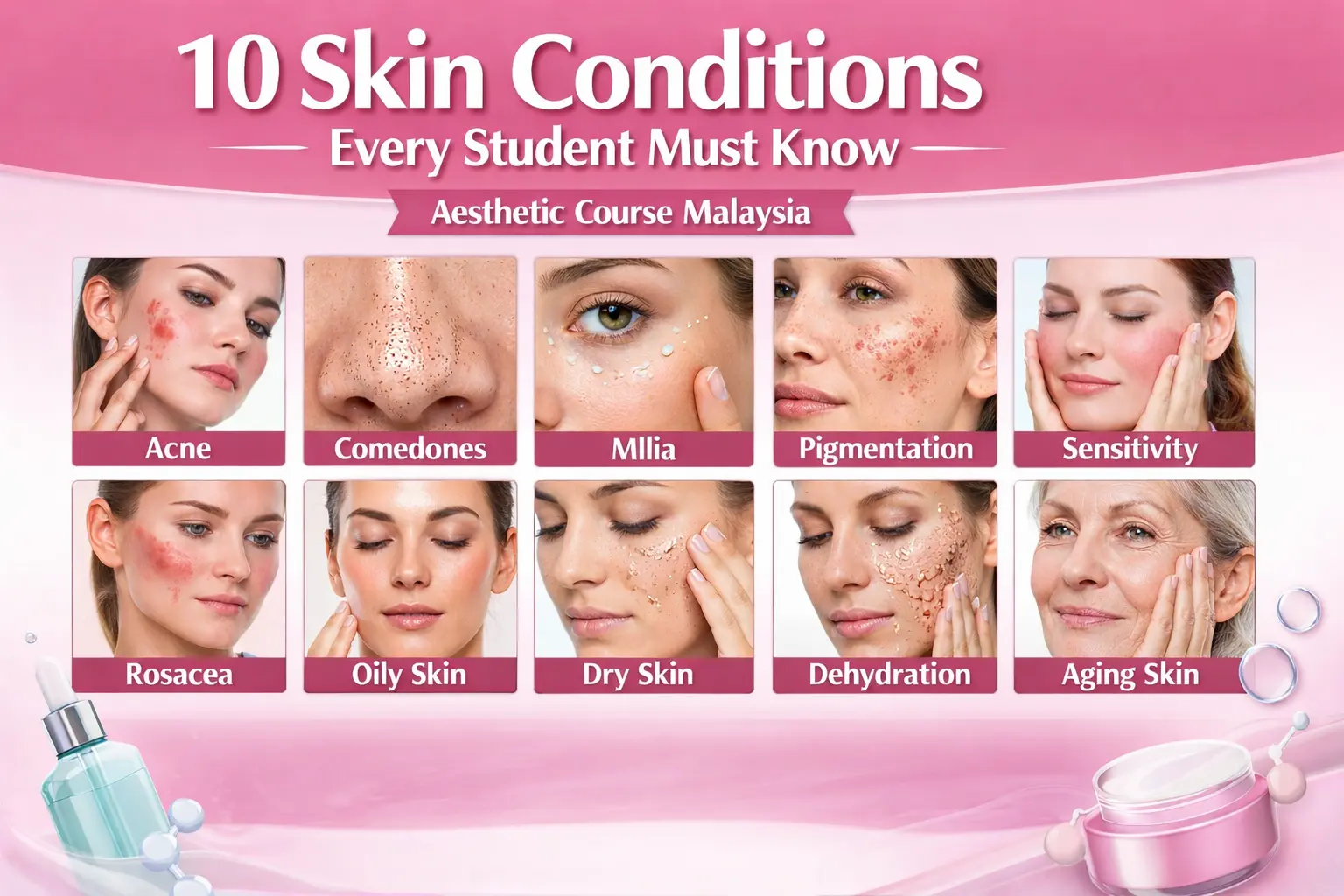
Whether you are starting an aesthetic course in Malaysia or completing a diploma in beauty course, learning to identify skin conditions accurately is the absolute foundation of becoming a trusted beauty professional.
Consequently, at Skin Renew 学院, students are trained extensively to analyse skin before performing any treatment. This is a critical skill that is heavily relied upon in real client scenarios.
Therefore, this guide breaks down 10 essential skin conditions, including their causes and treatment approaches, in a format specifically designed for fast understanding and real-world application.
Why is learning skin conditions important in beauty courses?
- Ensures safe and effective treatments
- Helps avoid skin damage or worsening conditions
- Builds client trust and professionalism
- Allows proper referral to dermatologists when needed
Quick Summary: 10 Common Skin Conditions & Aesthetic Approaches
| Skin Condition | Primary Cause in Malaysia | Best Aesthetic Treatment Approach | When to Refer to a Doctor / Dermatologist |
| 1. Acne | Tropical humidity, excess sebum, dead cell buildup, C. acnes bacteria | Salicylic acid (BHA) cleansers, gentle chemical exfoliation, oil control | Severe cystic acne, deep nodules, or cases causing severe scarring |
| 2. Comedones | Clogged pores from high sweat/oil production, heavy products | Hydrating steam, gentle professional extractions, clay masks, BHA | When comedones constantly evolve into widespread inflammatory acne |
| 3. Milia | Keratin trapped under the skin, heavy creams, slow skin turnover | Mild AHA exfoliation (glycolic acid), trained professional manual extraction | If located dangerously close to the eyelid or if multiple lesions persist |
| 4. Pigmentation | Intense year-round UV exposure, hormonal shifts, post-acne marks | Daily SPF 30–50+, Vitamin C, Niacinamide, professional chemical peels | Suspected melasma, sudden changes in mole shape/color, deep dermal stains |
| 5. Sensitive Skin | Damaged skin barrier, over-exfoliation, indoor air-conditioning | Barrier-repair moisturisers with ceramides, squalane, strict patch testing | Persistent bleeding, severe scaling, or suspected eczema/contact dermatitis |
| 6. Rosacea | Genetics, chronic inflammation triggered by heat and spicy food | Soothing, cooling barrier support, ultra-gentle botanical extracts | Always refer for medical diagnosis; beauty therapists only provide supportive care |
| 7. Oily Skin | Hot climate overstimulating sebaceous glands, genetics | Gel or foaming cleansers, lightweight niacinamide serums, clay masks | If accompanied by severe, painful cystic acne breakouts |
| 8. Dry Skin | Lack of natural lipids (oils), genetics, constant air-con exposure | Rich cream cleansers, facial oils, ceramide-heavy formulas | If the skin cracks, bleeds, or shows signs of chronic secondary infection |
| 9. Dehydrated Skin | Lack of water content caused by extreme heat-to-AC transitions | Hyaluronic acid serums, lightweight hydrators, professional Oxyhydro treatments | Rarely needed; this is a temporary condition highly manageable via aesthetics |
| 10. Ageing Skin | Natural collagen depletion (from age 25), accelerated by high UV index | Topical Retinol, Vitamin C, Peptides, targeted treatments like HIFU | For medical anti-ageing interventions (e.g., botulinum toxin or deep dermal fillers) |
Deep Dive: The 10 Essential Skin Conditions
1. Acne
What is acne?
Acne is a chronic inflammatory skin condition affecting hair follicles and oil glands. It ranges from blackheads to severe cystic acne and commonly appears on the face, chest, and back.
What causes acne?
- Excess oil (sebum) production
- Dead skin cell buildup
- Cutibacterium acnes bacteria
- Hormonal changes (androgens)
- Diet and stress
- Comedogenic skincare products
Basic treatment approach
- Salicylic acid cleansers
- Benzoyl peroxide
- Chemical exfoliation
- Non-comedogenic products
- Dermatologist referral (severe cases)
Student tip: Focus on reducing inflammation and protecting the skin barrier — not over-treating.
2. Comedones (Blackheads & Whiteheads)
What are comedones?
Comedones are clogged pores and the earliest stage of acne:
- Blackheads (open, oxidised)
- Whiteheads (closed, under skin)
Causes
- Excess oil production
- Poor cleansing habits
- Hormonal imbalance
- Heavy skincare products
- Pollution
Treatment
- BHA (salicylic acid)
- Steam + gentle extraction
- Retinoids (with guidance)
- Clay masks
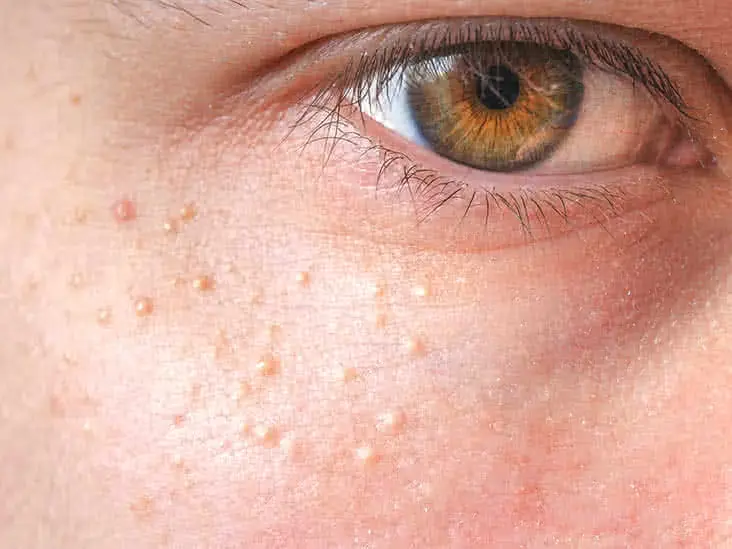
3. Milia
What is milia?
Milia are small keratin-filled cysts under the skin, commonly around the eyes and cheeks. Unlike acne, they do not contain oil and have no opening.
Causes
- Skin trauma
- Heavy creams
- Sun damage
- Steroid use
- Slow skin turnover
Treatment
- AHA exfoliation (glycolic acid)
- Professional extraction
- Lightweight skincare
- Retinol (guided use)
Student tip: Never attempt extraction without proper training.
4. Pigmentation
What is pigmentation?
Pigmentation refers to uneven skin tone due to melanin imbalance, including:
- Hyperpigmentation (dark spots, melasma, acne marks)
- Hypopigmentation (loss of colour, e.g. vitiligo)
Causes
- UV exposure (very common in Malaysia)
- Hormonal changes
- Skin inflammation
- Genetics
- Medication
Treatment
- SPF 30–50+ daily
- Vitamin C
- Niacinamide
- Chemical peels
- Brightening agents (kojic acid, arbutin)
5. Sensitive Skin
What is sensitive skin?
A reactive skin condition, not a type. Skin easily becomes irritated with redness, burning, or stinging.
Causes
- Damaged skin barrier
- Harsh ingredients (fragrance, alcohol)
- Over-exfoliation
- Environmental triggers
- Underlying conditions (eczema, rosacea)
Treatment
- Barrier-repair moisturisers (ceramides)
- Gentle skincare
- Patch testing
- Daily sun protection
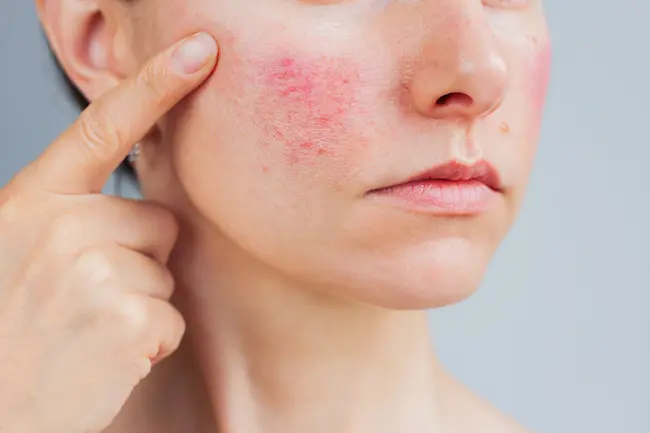
6. Rosacea
What is rosacea?
A chronic inflammatory condition causing:
- Persistent redness
- Visible blood vessels
- Flushing
- Acne-like bumps
Causes
- Genetics
- Immune response
- Skin barrier dysfunction
- Triggers (heat, alcohol, spicy food, sun)
Treatment
- Avoid triggers
- Gentle skincare
- SPF daily
- Dermatologist referral
Important: Beauty therapists support — doctors diagnose and treat.
7. Oily Skin
What is oily skin?
A skin type with excess oil production, leading to shine, enlarged pores, and acne risk.
Causes
- Genetics
- Hormones
- Humid climate (common in Malaysia)
- Over-cleansing
- Heavy products
Treatment
- Gel/foaming cleansers
- Oil-free moisturisers
- Clay masks
- Niacinamide
- Lightweight sunscreen
8. Dry Skin
What is dry skin?
A skin type lacking oil (lipids), causing roughness, flaking, and tightness.
Causes
- Genetics
- Ageing
- Harsh skincare
- Air conditioning
- Low humidity
- Nutritional deficiencies
Treatment
- Rich moisturisers
- Cream cleansers
- Facial oils
- Ceramides & squalane
- Avoid over-exfoliation
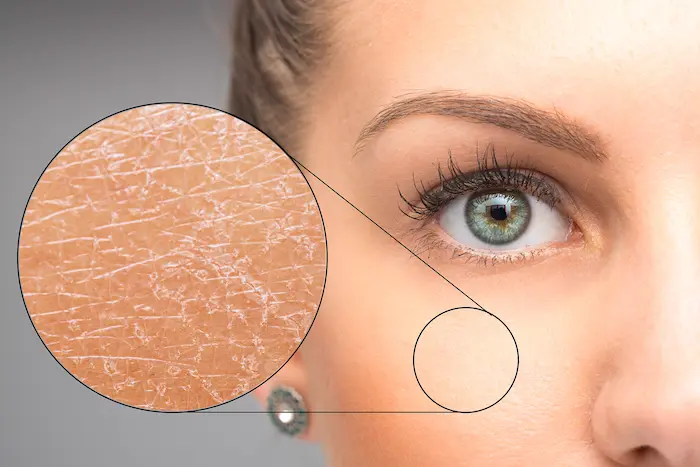
9. Dehydrated Skin
What is dehydrated skin?
A skin condition lacking water, not oil. Any skin type can be dehydrated.
Signs
- Tight, dull skin
- Fine lines more visible
- Oily yet dry feeling
Causes
- Low water intake
- Caffeine/alcohol
- Air conditioning
- Harsh products
- UV exposure
Treatment
- Hyaluronic acid
- Hydrating moisturisers
- Hydrating treatment (Oxyhydro)
- Water intake
- SPF
Key learning: Oily skin can still be dehydrated — a common student mistake.
10. Ageing Skin
What is ageing skin?
Natural and environmental changes leading to:
- Wrinkles
- Loss of firmness
- 色素沉着
- Dullness
Causes
- Collagen loss (starts ~age 25)
- UV exposure (major factor)
- Pollution
- Lifestyle
- Repetitive expressions
Treatment
- Retinol
- Vitamin C
- Peptides
- SPF (essential)
- Professional treatments like Hifu Treatment
Quick Summary: 10 Common Skin Conditions & Aesthetic Approaches
| Skin Condition | Primary Cause in Malaysia | Best Aesthetic Treatment Approach | When to Refer to a Doctor / Dermatologist |
| 1. Acne | Tropical humidity, excess sebum, dead cell buildup, C. acnes bacteria | Salicylic acid (BHA) cleansers, gentle chemical exfoliation, oil control | Severe cystic acne, deep nodules, or cases causing severe scarring |
| 2. Comedones | Clogged pores from high sweat/oil production, heavy products | Hydrating steam, gentle professional extractions, clay masks, BHA | When comedones constantly evolve into widespread inflammatory acne |
| 3. Milia | Keratin trapped under the skin, heavy creams, slow skin turnover | Mild AHA exfoliation (glycolic acid), trained professional manual extraction | If located dangerously close to the eyelid or if multiple lesions persist |
| 4. Pigmentation | Intense year-round UV exposure, hormonal shifts, post-acne marks | Daily SPF 30–50+, Vitamin C, Niacinamide, professional chemical peels | Suspected melasma, sudden changes in mole shape/color, deep dermal stains |
| 5. Sensitive Skin | Damaged skin barrier, over-exfoliation, indoor air-conditioning | Barrier-repair moisturisers with ceramides, squalane, strict patch testing | Persistent bleeding, severe scaling, or suspected eczema/contact dermatitis |
| 6. Rosacea | Genetics, chronic inflammation triggered by heat and spicy food | Soothing, cooling barrier support, ultra-gentle botanical extracts | Always refer for medical diagnosis; beauty therapists only provide supportive care |
| 7. Oily Skin | Hot climate overstimulating sebaceous glands, genetics | Gel or foaming cleansers, lightweight niacinamide serums, clay masks | If accompanied by severe, painful cystic acne breakouts |
| 8. Dry Skin | Lack of natural lipids (oils), genetics, constant air-con exposure | Rich cream cleansers, facial oils, ceramide-heavy formulas | If the skin cracks, bleeds, or shows signs of chronic secondary infection |
| 9. Dehydrated Skin | Lack of water content caused by extreme heat-to-AC transitions | Hyaluronic acid serums, lightweight hydrators, professional Oxyhydro treatments | Rarely needed; this is a temporary condition highly manageable via aesthetics |
| 10. Ageing Skin | Natural collagen depletion (from age 25), accelerated by high UV index | Topical Retinol, Vitamin C, Peptides, targeted treatments like HIFU | For medical anti-ageing interventions (e.g., botulinum toxin or deep dermal fillers) |
Frequently Asked Questions
The most common skin conditions in Malaysia are acne, oily skin, hyperpigmentation, sensitive skin, and dehydrated skin, largely triggered by the country’s hot, humid climate and constant air conditioning.
No, beauty therapists cannot medically treat or diagnose rosacea. They can only provide supportive, soothing skincare barriers and must refer the client to a licensed dermatologist for medical treatment.
The main difference is that dry skin lacks natural oils (a skin type), whereas dehydrated skin lacks water content (a temporary skin condition affecting any skin type).
The five most common skin conditions encountered in Malaysia are oily skin, inflammatory acne, hyperpigmentation (sun spots/melasma), skin dehydration, and sensitive skin. These conditions are heavily triggered by the country’s high tropical humidity, elevated UV index, and widespread indoor air conditioning.
Ready to Become a Certified Beauty Professional?
At Skin Renew 学院, we offer:
- Comprehensive Diploma in Beauty Courses
- SKM-certified programmes
- Professional Aesthetic Training
Because our courses successfully combine deep clinical knowledge with intensive hands-on skills, you will be perfectly prepared for real client scenarios in Malaysia’s thriving beauty industry.
Enquire now to start your journey as a certified beauty professional.

 Chinese
  English